Aims
The aims of this curriculum are to help students:
- develop and maintain an interest in Biology;
- understand the basic principles of Biology, make observations, acquire basic experimental skills, and carry out simple scientific investigations;
- appreciate the wonders of the living world in nature, respect life, take an interest in the applications of Biology in society, and help promote personal and community health;
- understand scientific language and communicate views and ideas on issues related to Biology; and
- develop the ability and interest to pursue further studies or careers in related fields.
Learning Objectives
Knowledge
Students should be able to:
- understand biological principles, concepts, terminology and facts;
- apply biological knowledge and concepts to familiar and unfamiliar situations;
- understand the applications of Biology in everyday life; and
- understand current developments and issues in Biology.
Skills
Students should be able to:
- observe carefully, ask appropriate questions, identify the key issues of a problem, and formulate hypotheses for investigation;
- recognise the importance of evidence in supporting, revising or refuting a scientific theory;
- develop scientific thinking and creativity;
- use information technology to process and present scientific information; and
- use scientific language to communicate views and ideas effectively with others.
Values and Attitudes
Students should be able to:
- enjoy studying Biology, appreciate the wonders and complexity of nature, and respect all living things and the environment;
- hold positive values and attitudes, and practise a healthy lifestyle;
- recognise that biological knowledge is continually developing, and appreciate the role of science and technology in understanding the living world; and
- recognise the applications of biological knowledge in society and their implications for society, ethics, the economy and the environment.
Biology Activities
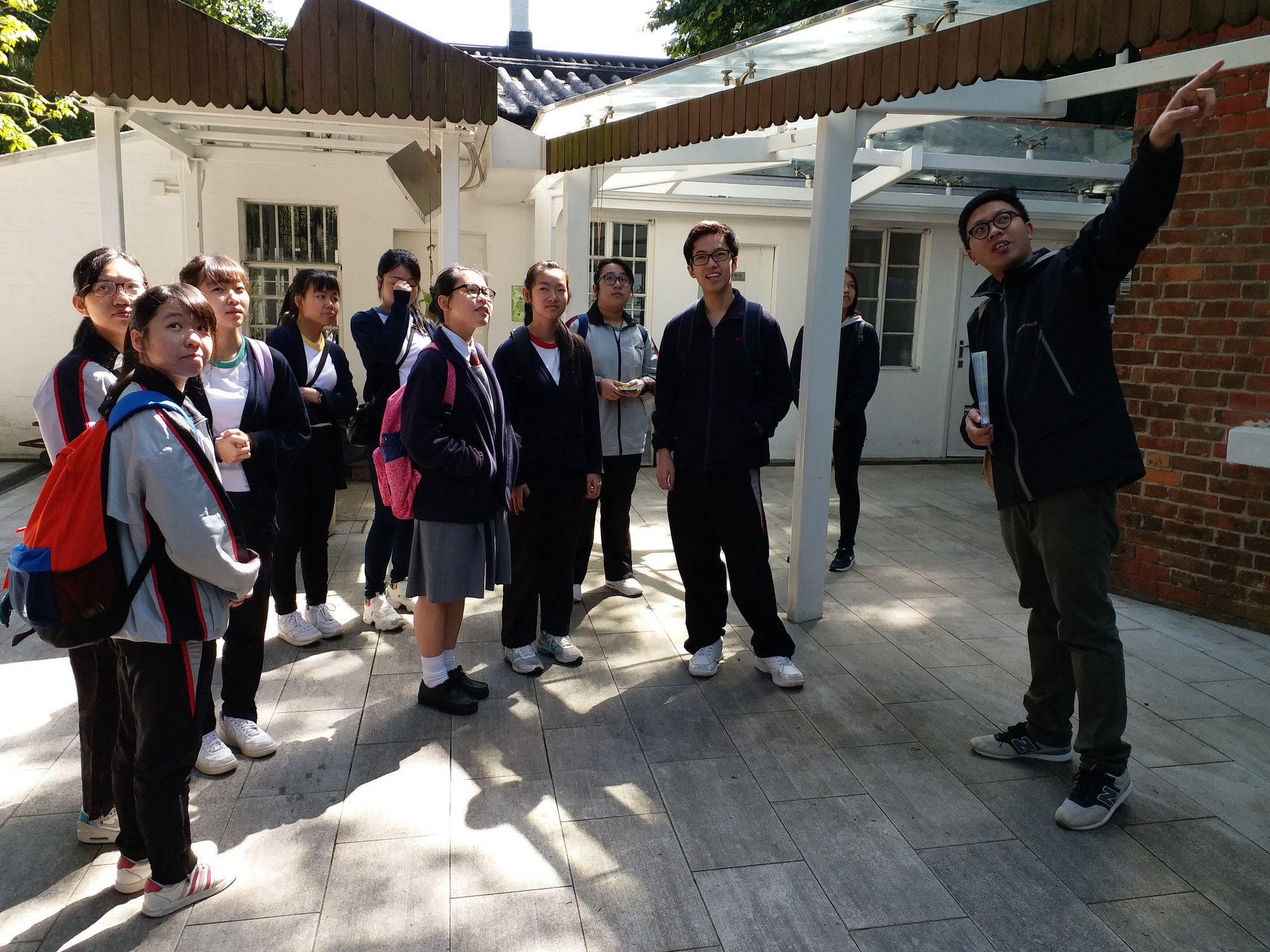
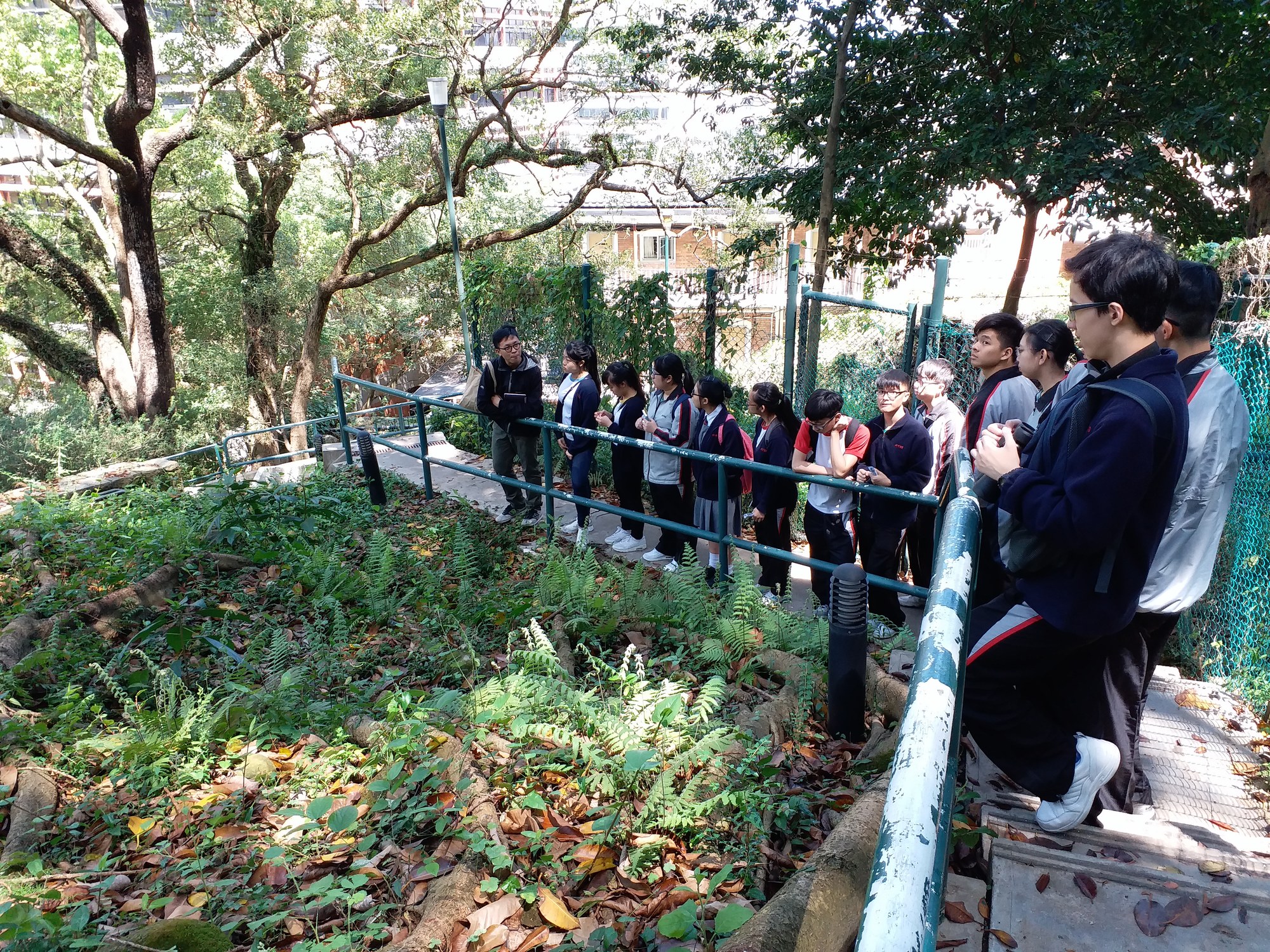
The Biology Department places a strong emphasis on helping students apply what they have learned to daily life. For this reason, students regularly carry out experiments in class and learn beyond the classroom.
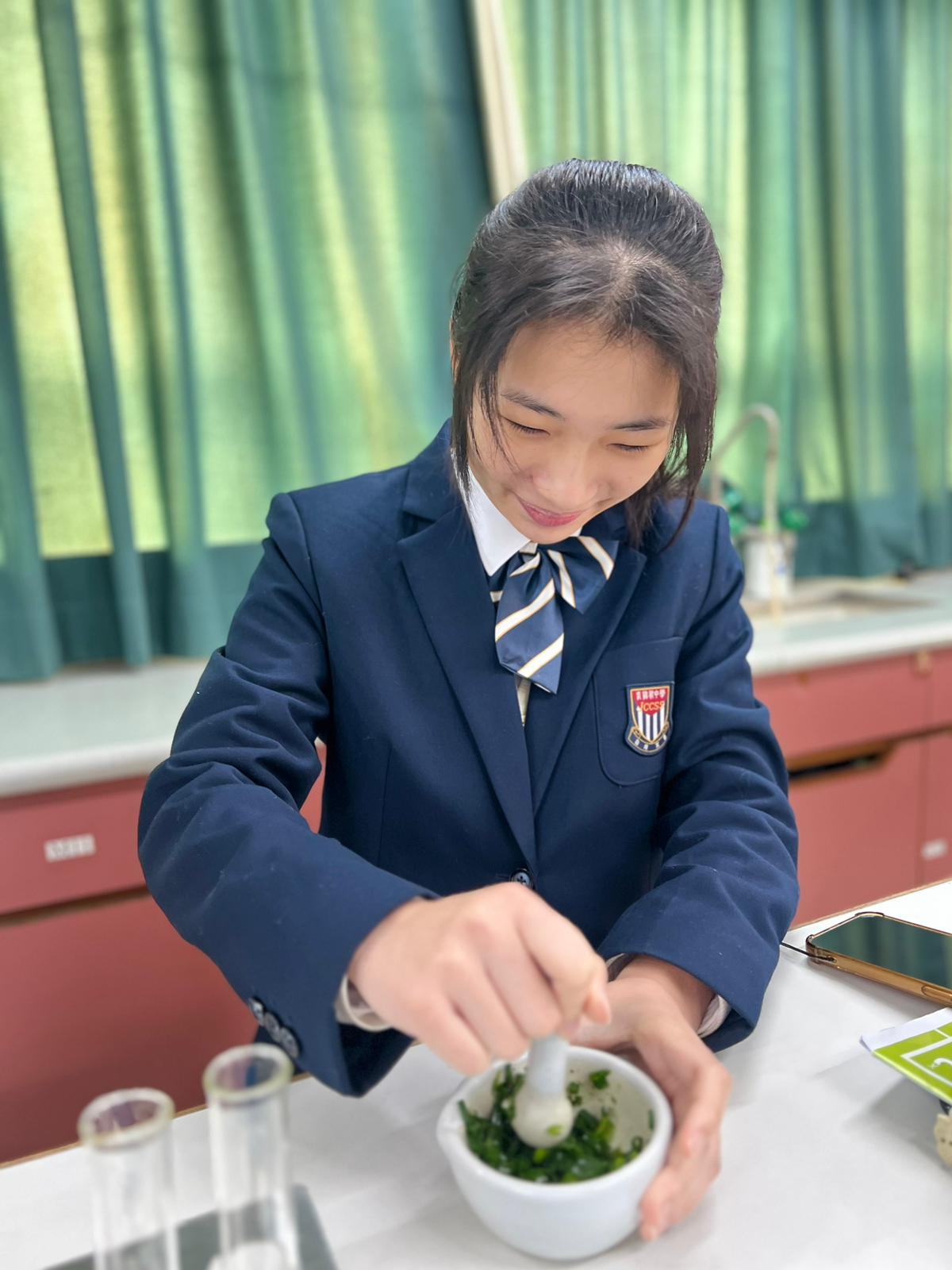
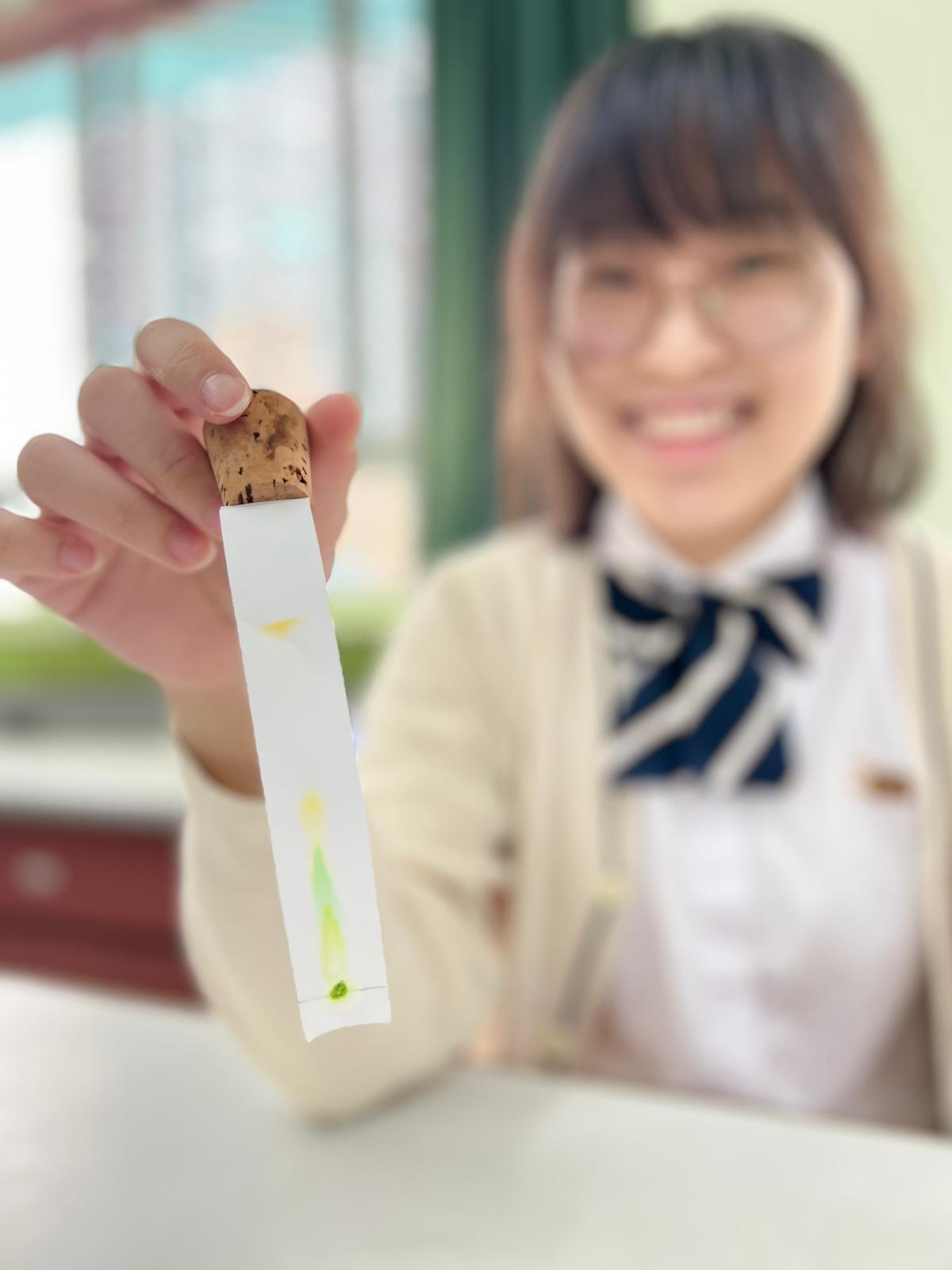
Leaf Pigment Analysis Experiment
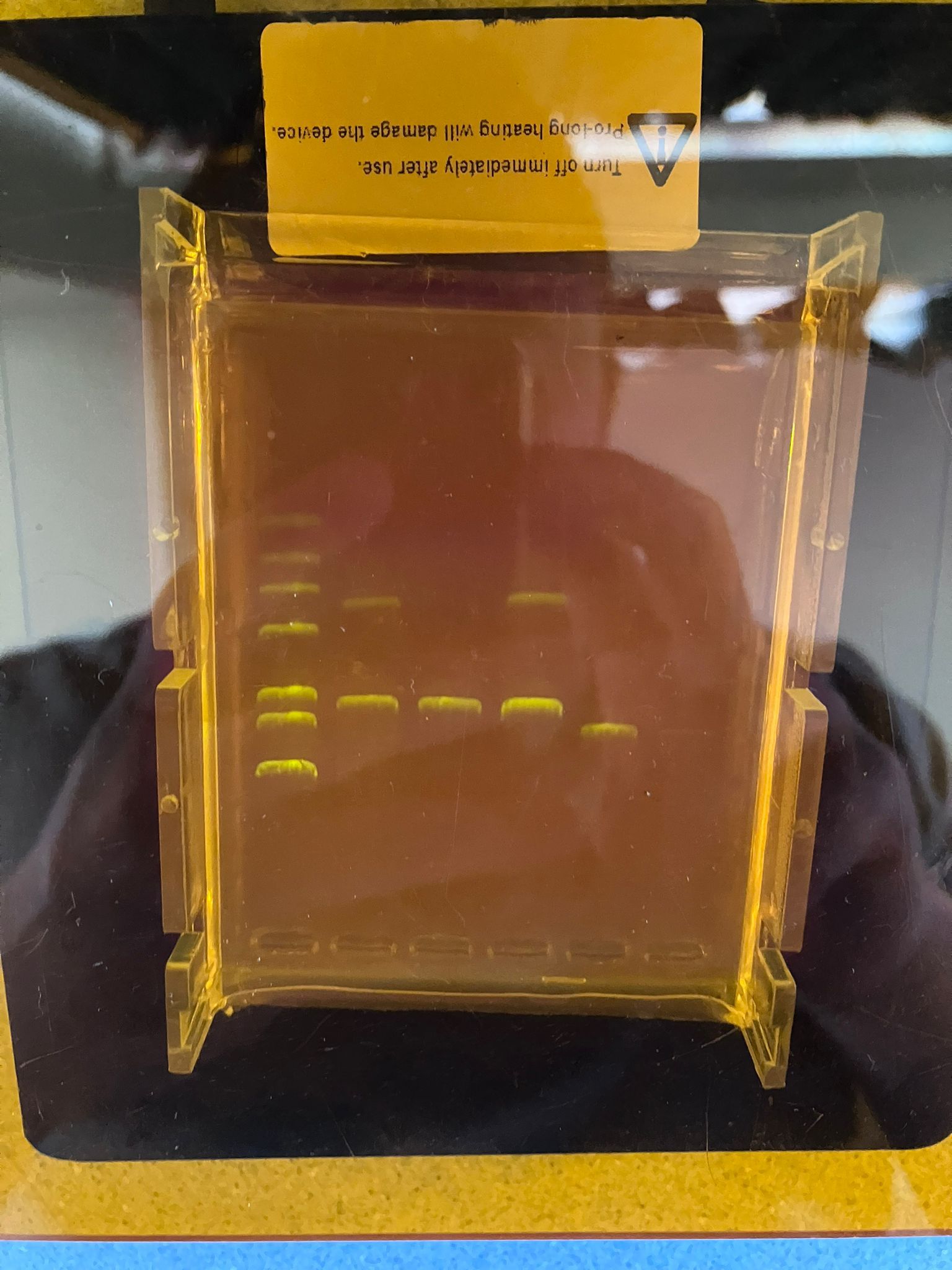
DNA Fragment Electrophoresis Experiment
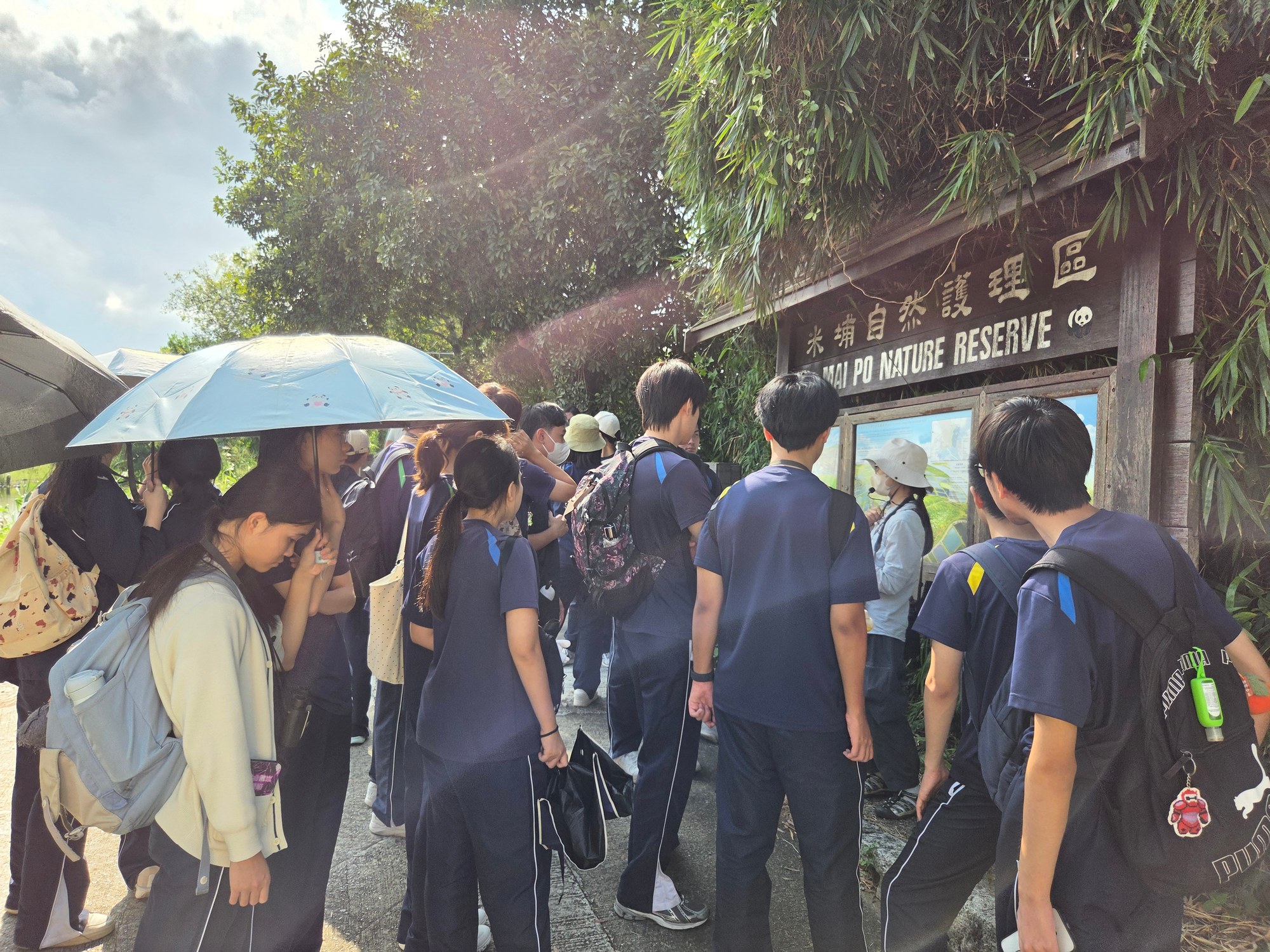
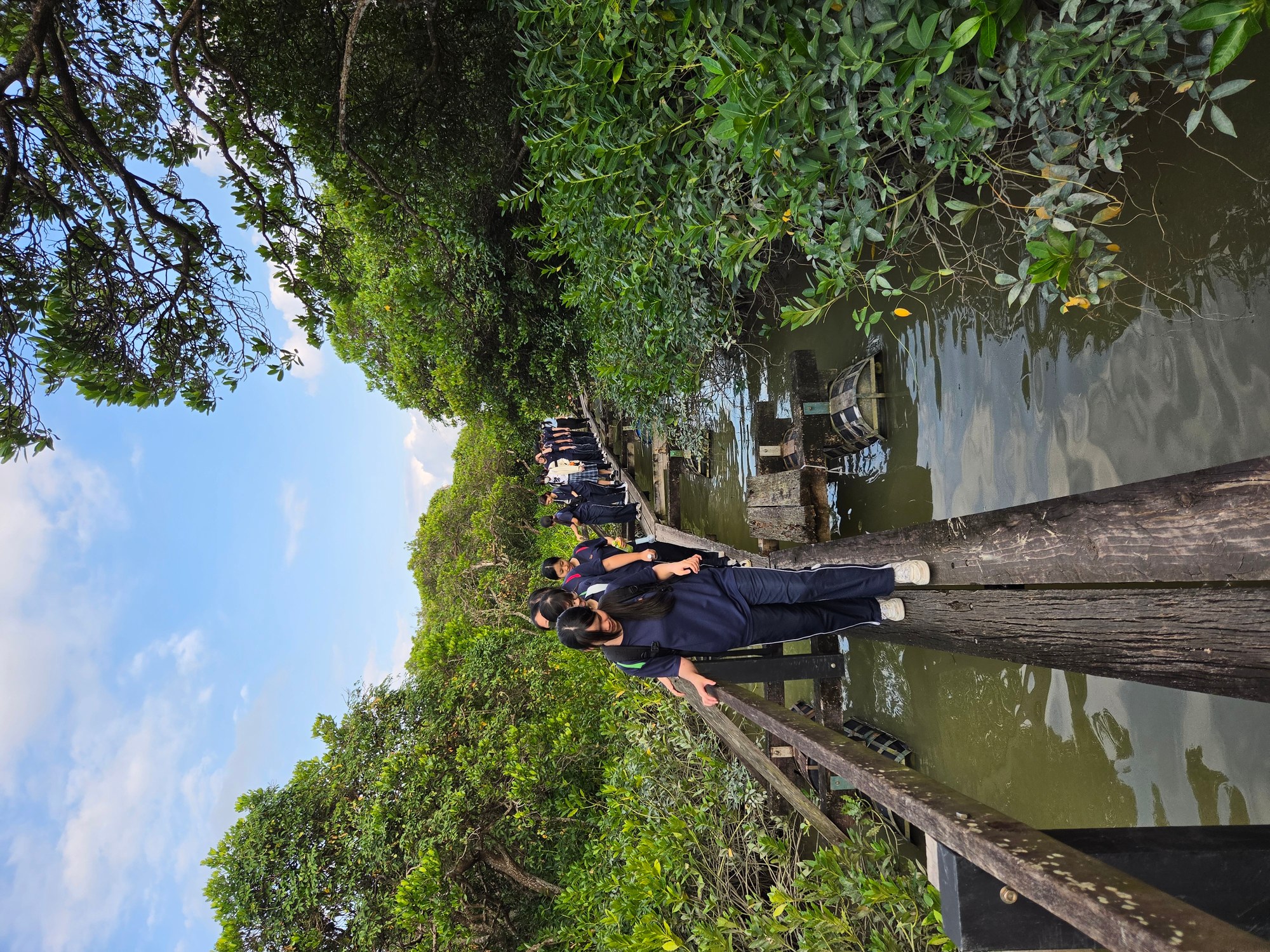
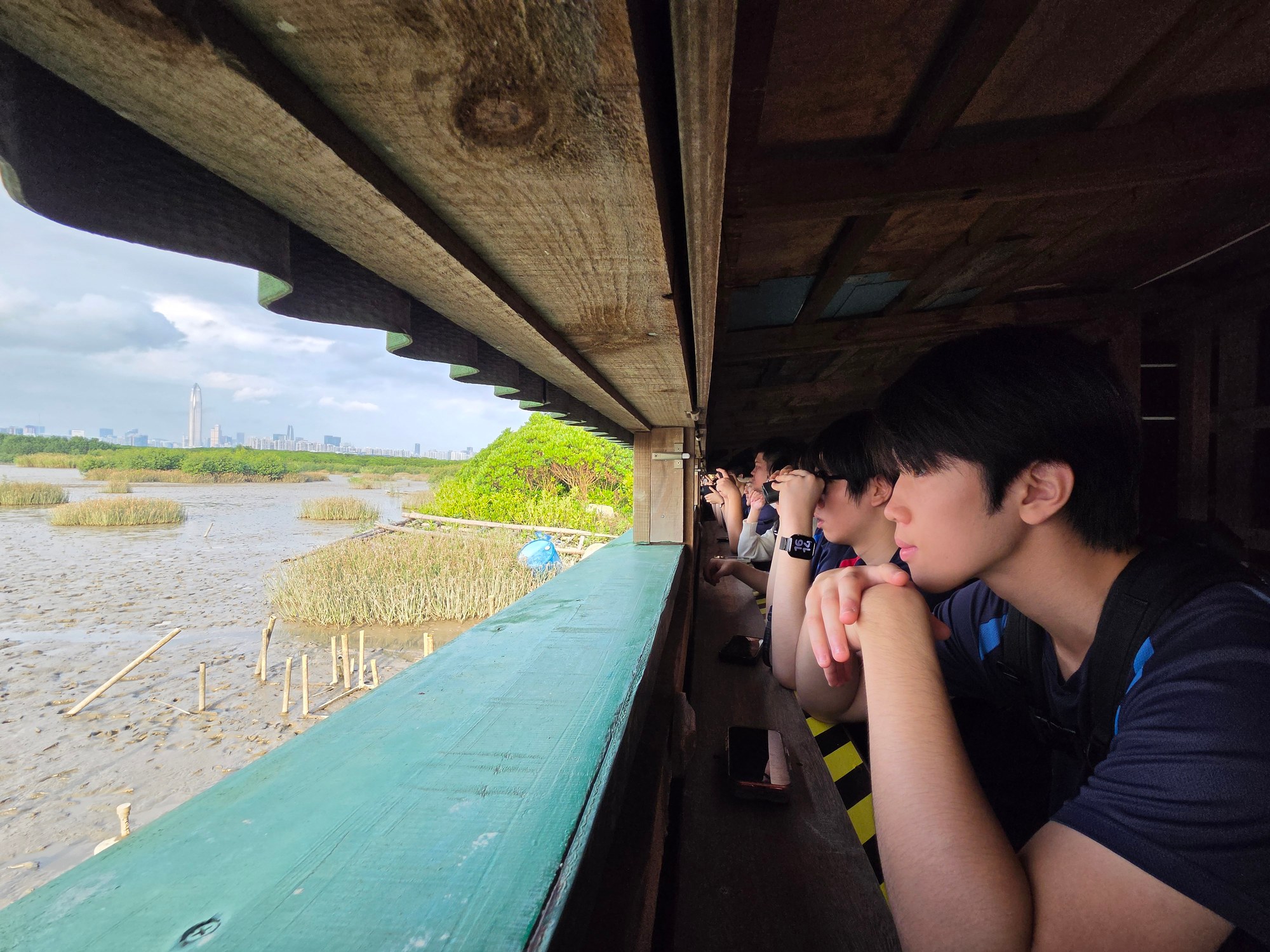
Mai Po Nature Reserve Field Trip
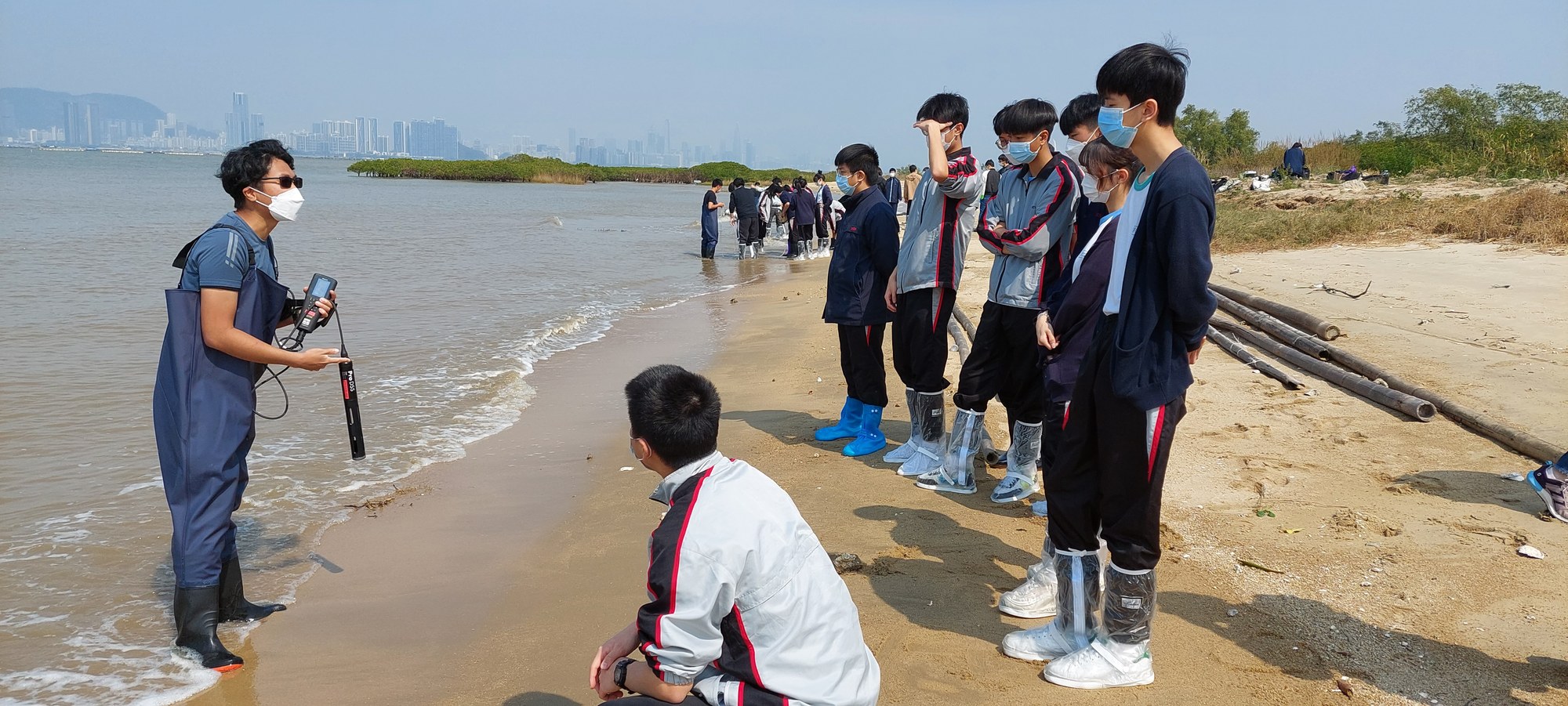
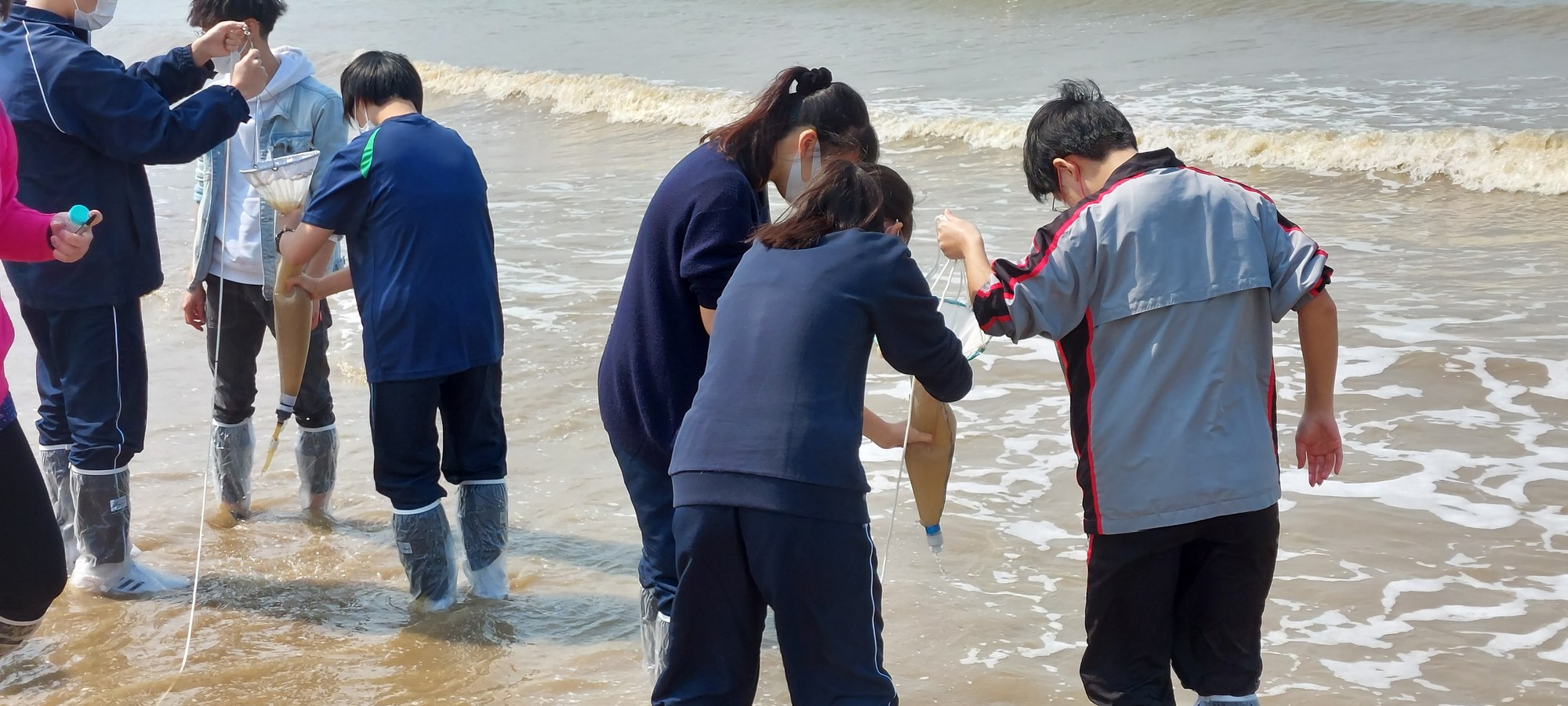
Deep Bay Algal Growth Field Study
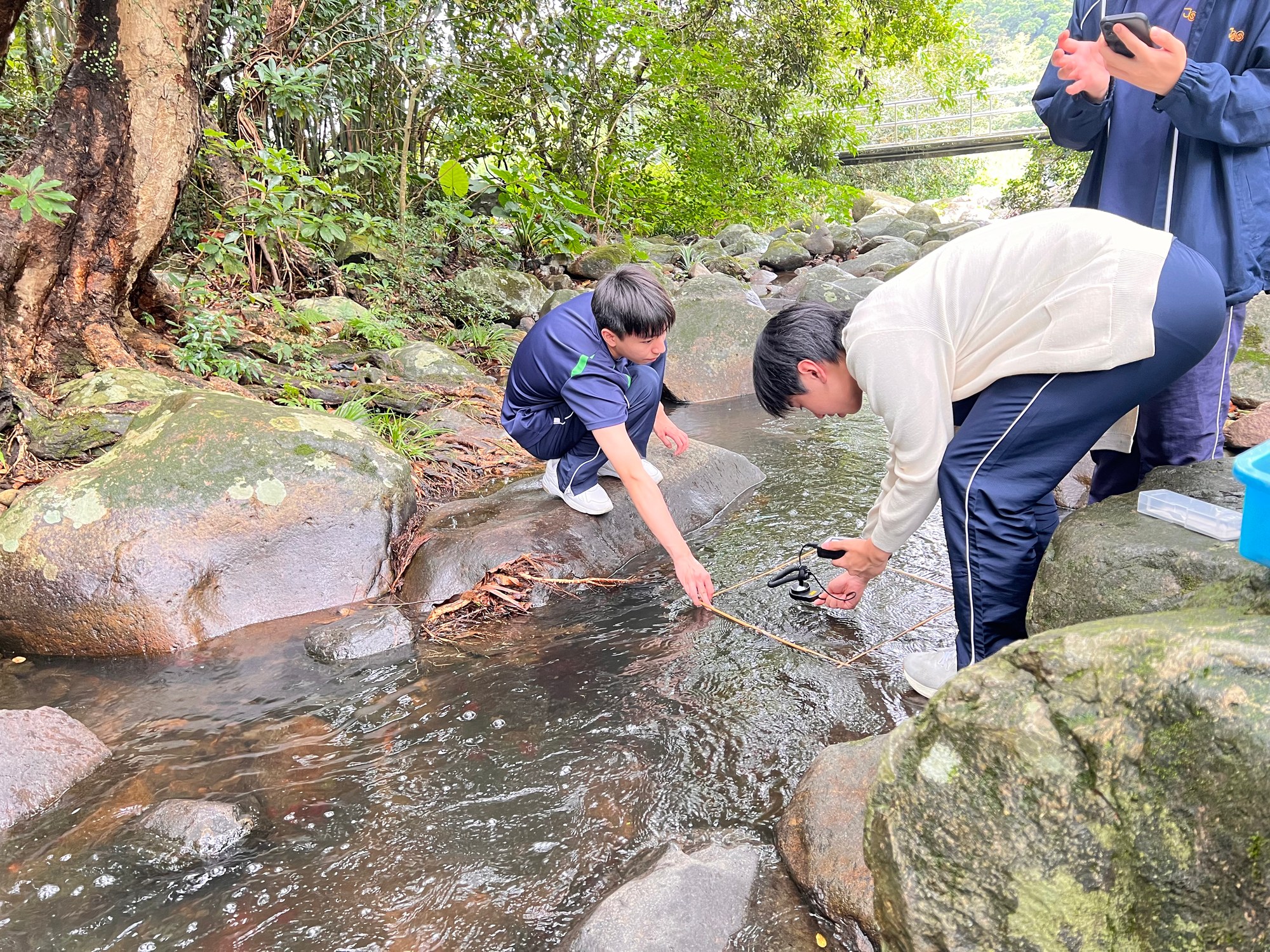
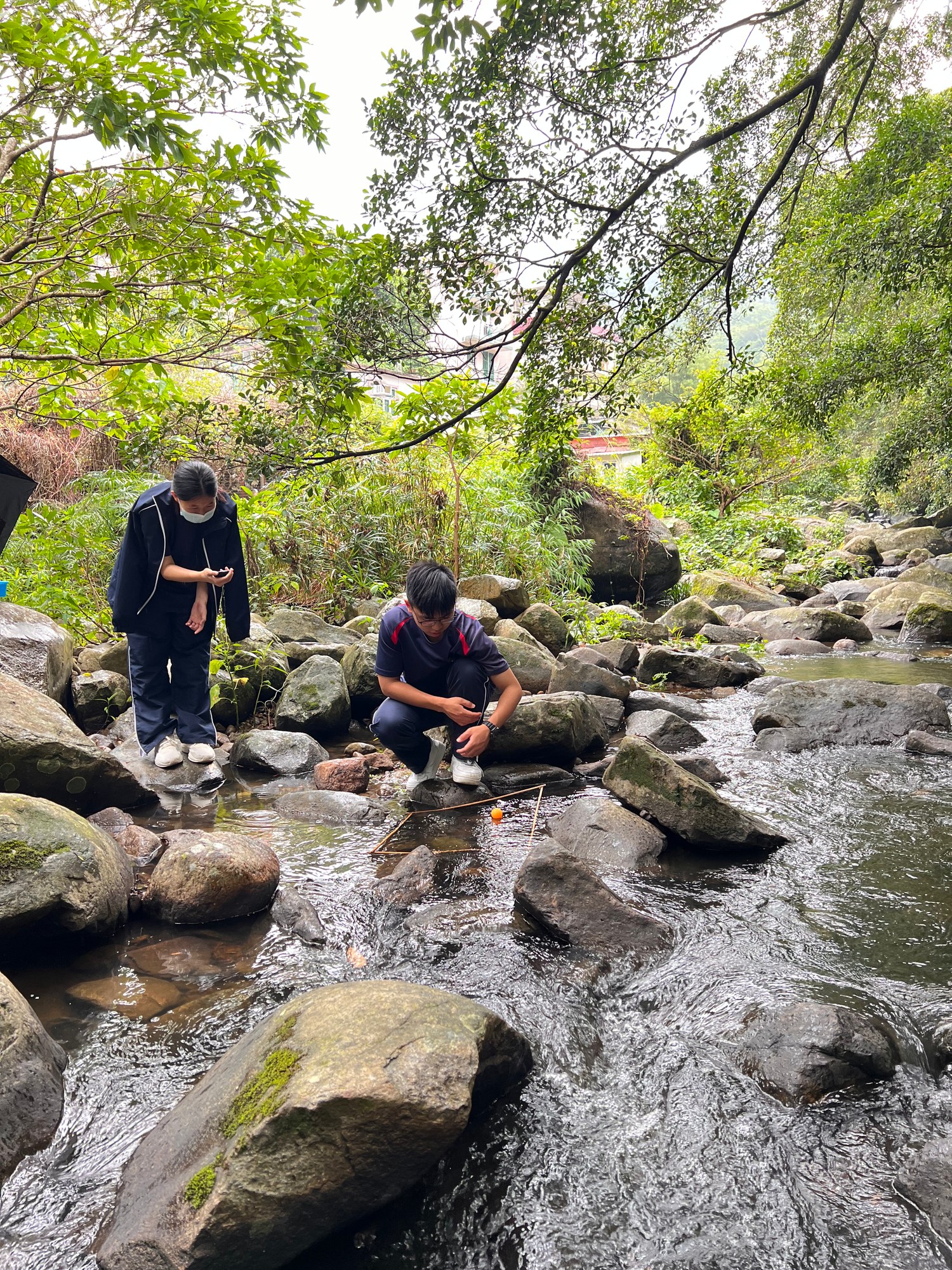
Chuen Lung Stream Field Study
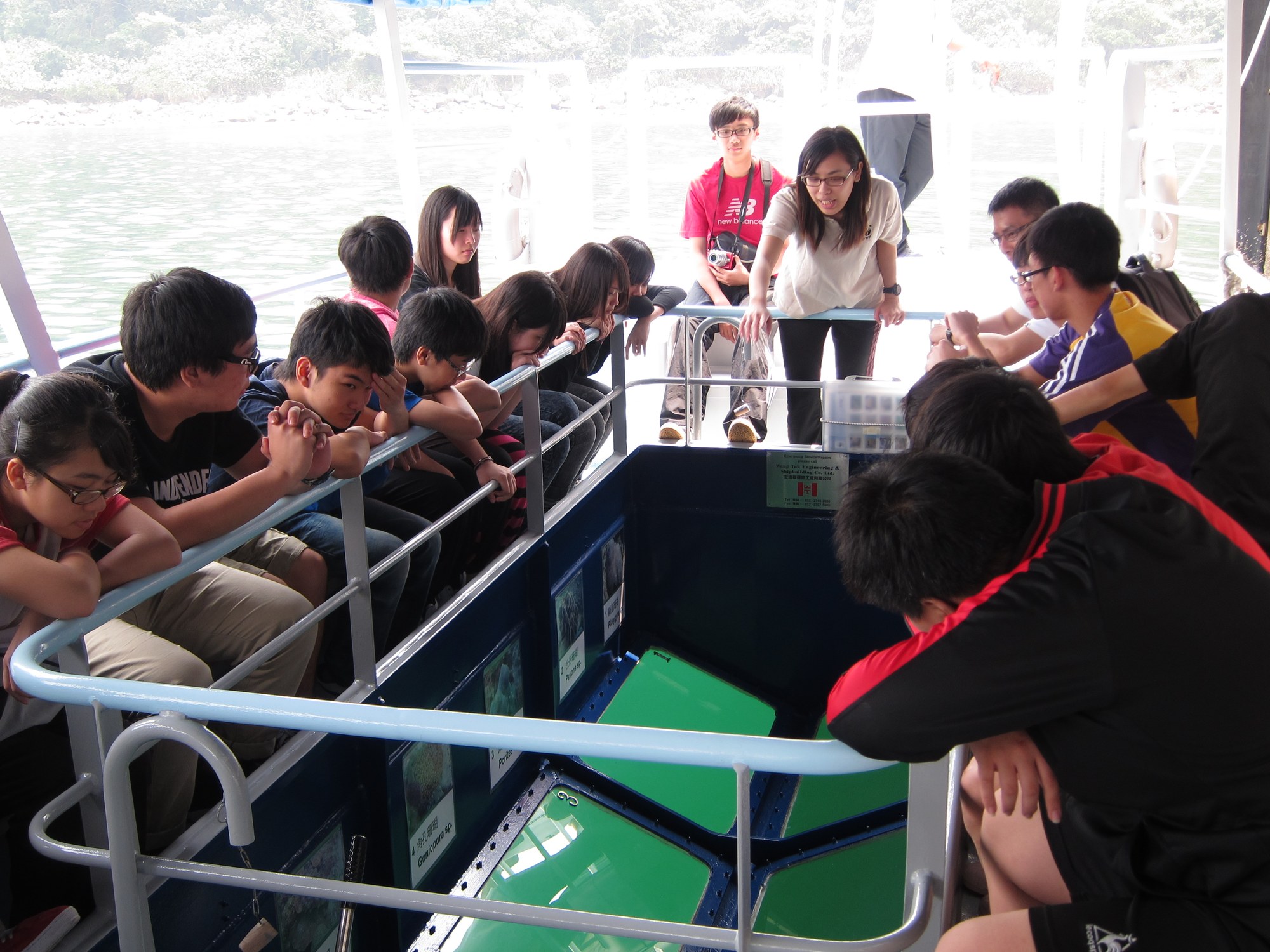
Hoi Ha Wan Coral Ecology Field Trip
Field Trip to Lung Fu Shan Nature Education Centre and Habitats on The University of Hong Kong Campus